
Predict Market Shifts Faster Using Draup Data in Databricks
A unified platform for engineering, AI, and analytics. Draup data is optimized for advanced analytics, ML models, and workforce planning pipelines.
By filling up this form, you agree to allow Draup to share this data with our affiliates, subsidiaries and third parties

Why Draup + Databricks
Draup feeds structured revenue intelligence into Databricks where teams can build predictive models, run deep analytics, and operationalize insights using notebooks, SQL, and ML frameworks, all within a governed and scalable environment.
About Databricks
Databricks unifies data engineering, AI, and analytics in a collaborative workspace. It is optimized for ML pipelines, advanced analytics, and multi-cloud workflows.
How the Integration Works
- 1Stream Draup’s enriched account, buyer, and market intelligence flows directly into your data platform, aligning with existing GTM, revenue, and analytics pipelines.
- 2Enrich Datasets surface high-value signals, buyer intent, account readiness, competitive activity, hiring momentum, firmographics, and market shifts.
- 3Analyze Revenue, sales, and RevOps teams run real-time analytics, forecasting, and segmentation by blending Draup intelligence with internal CRM and pipeline data.
- 4Activate Insights power targeting, territory planning, forecasting, AI copilots, and GTM execution, helping teams prioritize the right accounts and close faster.
What You Can Do
- Build churn, upsell, and propensity models with buyer signals.
- Segment target markets dynamically with external context.
- Build real-time dashboards with combined datasets.
- Operationalize models into pipelines and GTM motions.
GTM Teams with Databricks + Draup see
- Faster ML experimentation with clean, structured data.
- Stronger collaboration across data science and revenue teams.
- More accurate predictions using unified signals.
- Scalable insights from experimentation to production.
Draup Works Wherever Your Teams Work
Draup connects with 30+ CRMs and sales platforms, so your sellers, marketers, and RevOps leaders get intelligence in the tools they already use.
By filling up this form, you agree to allow Draup to share this data with our affiliates, subsidiaries and third parties


Frequently Asked Questions
How does Draup integrate with Databricks workflows?

Draup data can be consumed within Databricks’ lakehouse for analytics, notebooks, and ML pipelines.
Can data science teams use Draup for modeling?
Yes, Draup datasets are structured to support feature engineering and model training.
Does this work for both SQL and notebook users?
Yes, teams can access Draup data using SQL, Spark, or notebooks.
Is Draup suitable for large-scale experimentation?
Draup data supports scalable experimentation and production-level analytics.
Can this power AI-driven GTM use cases?
Yes, many teams use Draup data for churn prediction, account scoring, and AI-driven insights.

Impactful insights, delivered real-time
Access insights via API, custom data feeds, the Draup platform or using MCP
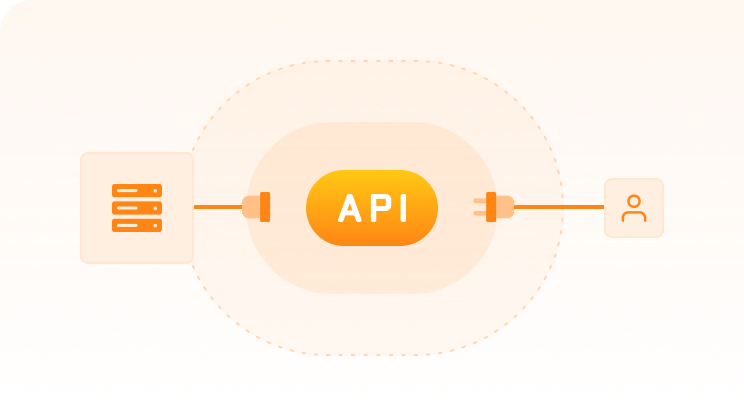
APIs & Integrations
Best for
Embedding live insights in workflows without storing data
- Native integrations with 33+ CRMs, like Salesforce, Hubspot, Microsoft Dynamics CRM, etc.
- Real-time access to critical data
- Enhanced security and data Integrity
- Efficient API performance with flexible limits
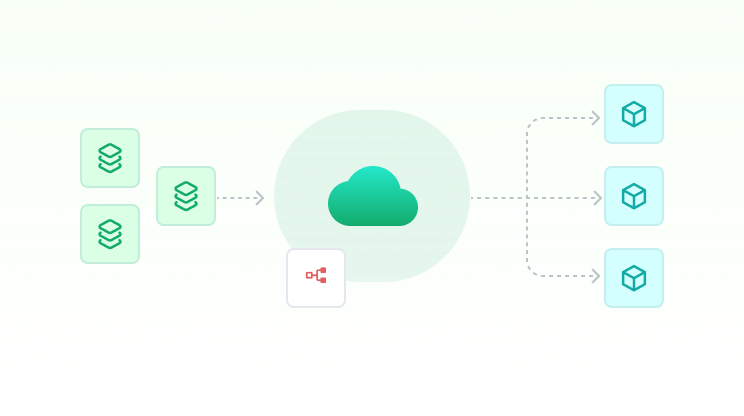
Custom Data Feed
Best for
Analytics at scale & joining Draup with internal data
- Highly customizable feeds for workflow needs
- Scheduled pushes to data lakes/warehouses (S3, ADLS, BigQuery, SFTP)
- Scalable use cases with the data
- Integrates with internal data assets for co-pilots/agents
Draup Platform
Best for
Fastest time-to-value,
no build required
- Ready-to-use UI with 200+ productized use cases & workflows
- Leverage visualizations & workflows to drive seller action with no overhead
- Enterprise controls: SSO, RBAC, governance
- Integrates UI & functionality into CRM apps
Model Context Protocol
Best for
Real-time Al workflows & LLM applications
- Native integration with Claude, OpenAl, and MCP-compatible Al tools
- Zero ETL, models query live data without pipelines or reindexing
- Governed access with token-based scopes, Pll masking, and audit trails
- Grounded, real-time data prevents LLMs from generating outdated or inaccurate insight


.svg)



.svg)
