
Map Skills & Mobility Trends Seamlessly with Draup Data in Microsoft Azure Data Lake Storage (ADLS)
Microsoft Azure Data Lake Storage (ADLS) meets Draup’s workforce intelligence. Stream talent, skills, and market datasets into Microsoft Azure Data Lake Storage (ADLS) to power HR analytics, workforce planning, and AI-driven workforce models, with no integration friction.
By filling up this form, you agree to allow Draup to share this data with our affiliates, subsidiaries and third parties
Why Microsoft ADLS + Draup?
Draup’s deep workforce, skills, and labor intelligence aligns naturally with Azure Data Lake Storage, giving HR and strategy teams a unified space to explore global talent patterns. By streaming Draup datasets into ADLS, organizations can understand emerging skills, mobility trends, and workforce shifts at massive scale, all within their existing Azure environment.
About Microsoft Azure Data Lake Storage (ADLS)
Azure Data Lake Storage combines enterprise-grade security with high-performance analytics. It is built for big data, enabling organizations to run complex queries and manage large data lakes.
How the Integration Works
- 1Stream Draup’s curated workforce datasets directly into Azure Data Lake Storage.
- 2Organize talent, mobility, and skill data across ADLS tiers based on your data lake structure.
- 3Analyze trends across skills, locations, roles, and industries using Azure analytics tools.
- 4Activate insights in dashboards, planning workflows, and workforce AI models.
Talent teams with Microsoft ADLS + Draup see
- Real-time insights into workforce supply, demand, and competitor movement.
- Clear visibility into emerging capabilities shaping future roles.
- Stronger workforce planning aligned with market data.
- AI-ready datasets that accelerate HR analytics and modeling.
What you can do
- Build a unified talent lakehouse combining internal HR data with global workforce intelligence.
- Detect emerging skill trends and benchmark your workforce against market evolution.
- Identify talent mobility patterns to anticipate attrition or transition risks.
- Guide expansion or location strategy using geo-level supply, competition, and cost trends.
Draup Works Wherever Your Teams Work
Draup connects with 30+ ATS, HRIS, and HCM platforms, so your recruiters, workforce planners, and HR leaders get market intelligence in the tools they already rely on.
By filling up this form, you agree to allow Draup to share this data with our affiliates, subsidiaries and third parties


Frequently Asked Questions
What kind of talent data can be stored in ADLS from Draup?

Draup provides structured talent, skills, and market datasets that can be organized within your ADLS environment.
How does Draup typically connect with ADLS?
The setup is designed to align smoothly with existing Azure data lake workflows, enabling quick access to workforce insights.
Does this help long-term workforce planning?
Yes, Draup insights often guide strategic workforce planning and global hiring decisions.
Which teams benefit the most from this integration?
Marketing, sales, SDR teams, and RevOps generally see the strongest improvements.
How frequently is labor intelligence updated?
Data is refreshed regularly to reflect evolving skill trends and talent movement patterns.
Can the data be used for HR AI or copilot models?
Yes, structured datasets stored within GCS commonly support AI-driven workforce models, copilots, and predictive HR applications.

Impactful insights, delivered real-time
Access insights via API, custom data feeds, the Draup platform or using MCP
APIs & Integrations
Best for
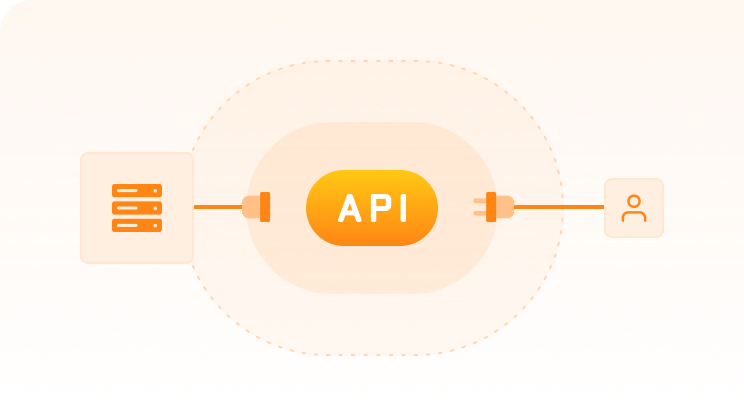
Embedding live insights in workflows without storing data
- Native integrations with 33+ HCM, HRIS, ATS and more, like Workday, SAP Successfactors, etc.
- Real-time access to critical data
- Enhanced security and data Integrity
- Efficient API performance with flexible limits
Custom Data Feed
Best for
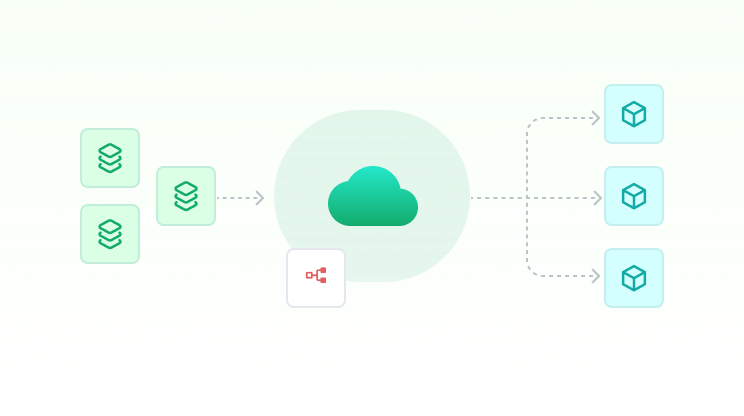
Analytics at scale & joining Draup with internal data
- Highly customizable feeds for workflow needs
- Scheduled pushes to data lakes/warehouses (S3, ADLS, BigQuery, SFTP)
- Scalable use cases with the data
- Integrates with internal data assets for co-pilots/agents
Draup Platform
Best for
Fastest time-to-value,
no build required
- Ready-to-use UI with 200+ productized use cases & workflows
- Leverage visualizations & workflows to drive seller action with no overhead
- Enterprise controls: SSO, RBAC, governance
- Integrates UI & functionality into CRM apps
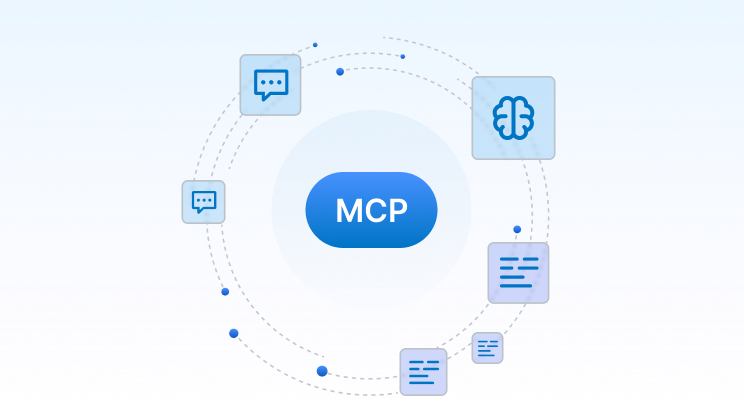
Model Context Protocol
Best for
Real-time Al workflows & LLM applications
- Native integration with Claude, OpenAI, and MCP-compatible Al tools
- Zero ETL, models query live data without pipelines or reindexing
- Governed access with token-based scopes, PII masking, and audit trails
- Grounded, real-time data prevents LLMs from generating outdated or inaccurate insight


.svg)



.svg)
