


Hyper-Personalized Sales Outreach: 6 Prospect-Boosting Tips for 2026

.svg)

73% of B2B buyers actively avoid sellers who send irrelevant outreach, according to Salesforce's State of Sales research. Read that again: irrelevant outreach does not just get ignored. It gets your firm filtered out of future deals. Generic sequences are now a pipeline liability.
Hyper-personalized sales outreach is the practice of matching every element of a sales message, including timing, channel, content, and framing, to a specific buyer's individual context: their company's current initiatives, their personal role priorities, and a triggering event that makes the outreach relevant at that exact moment.
That bar is high because the buying environment demands it. Enterprise purchases now run through wide committees of decision-makers, each with distinct pains and priorities, and reps get a sliver of any buyer's attention during the journey. Identifying the right prospects, crafting buyer-specific messaging, and timing outreach to real signals is no longer an edge. It is the entry fee. This guide covers what hyper-personalization actually means, the four levels it operates at, six tips to elevate your sales outreach, and how to scale the whole thing without burning rep hours.
Personalization vs. Hyper-Personalization: What Is the Difference?
Personalization inserts known attributes into a template: first name, company name, industry. It proves you ran a mail merge. Hyper-personalization builds the message around the buyer's live context: a specific initiative their company is running, a triggering event from the last two weeks, and the priority this individual owns. It proves you understand their world. The practical test: could this exact message be sent to anyone else? If yes, it is personalization. If it only makes sense for this buyer at this moment, it is hyper-personalization.
The Four Levels of Sales Personalization
Most personalization advice fails because it treats all personalization as one activity. There are four levels, and each has a different cost and payoff:
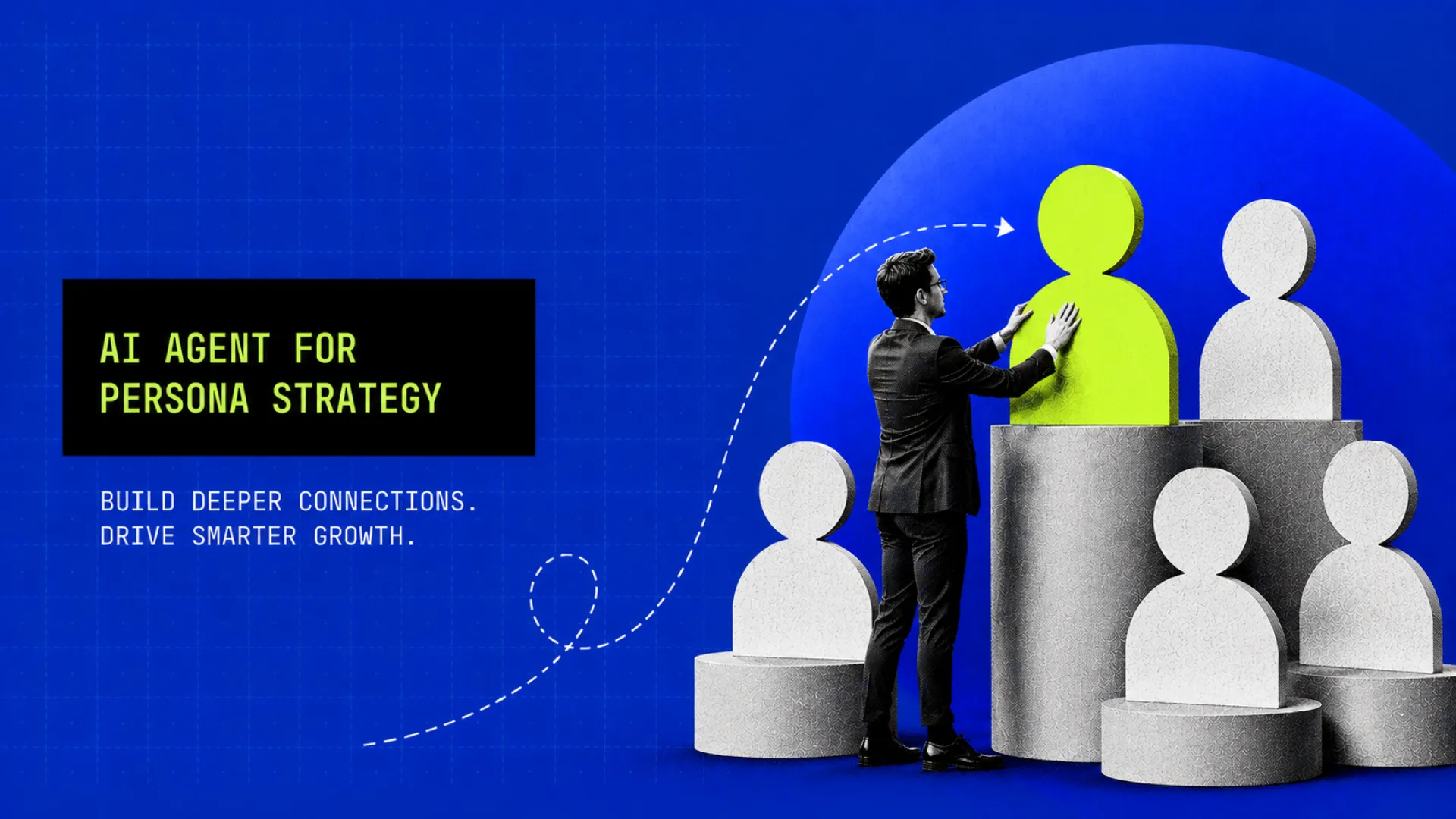
- ICP-level (scalable). Messaging matched to vertical and persona type. One message pattern per industry-persona combination. Draup's Persona Analysis agent benchmarks your offerings per persona and surfaces the differentiators each one cares about.
- Account-level (targeted). Messaging built on this company's specific signals: initiatives, outsourcing footprint, tech stack moves, financial priorities. Powered by Account Intelligence across 1.7M+ companies.
- Contact-level (individual). Messaging matched to this person's role scope, career trajectory, and stated priorities. Draup's Buyer Identification agent surfaces the exact buyers, champions, and economic decision-makers, ranked by probability and enriched with live signals from 8M+ buyer profiles.
- Moment-level (opportunistic). Messaging triggered by a specific recent event: an executive appointment, a funding event, an earnings call theme. The highest reply rates live here, and tip 4 below covers it in depth.
The six tips that follow each operate at one or more of these levels. Knowing which level you are working at tells you how much effort each message deserves.
6 Prospect-Boosting Tips to Elevate Your Sales Outreach
1. Enrich Your Lead Data Before You Personalize Anything
Hyper-personalization built on stale data is worse than no personalization: congratulating an executive on a role they left eight months ago does more damage than a generic email. Contact data decays continuously as people change roles and companies, so enrichment is the foundation, not a nice-to-have. B2B data enrichment keeps contact records, role data, and account context current, which is what makes every downstream tip in this list safe to execute.
2. Run Account-Based Prospecting, Not Spray-and-Pray
Account-based prospecting concentrates sales and marketing effort on a defined set of high-fit accounts, with content built for the specific individuals inside them. It works because depth beats reach when committees decide. Draup's ABM Intelligence agent turns any target account into an insight-driven engagement plan, so the account-level research that justifies ABM stops being the bottleneck that kills it.
3. Prioritize with Intent and Fit Signals
Hyper-personalization is expensive per message, so it has to be pointed at the right accounts. Sales intelligence combining fit, engagement signals, and customer behavior data separates accounts worth deep research from accounts that need nurturing. Draup's Propensity to Buy agent scores any account across 10 parameters, benchmarks it against peers, and returns five specific actions, which answers the prioritization question before a rep spends a single hour.
4. Trigger-Based Outreach: Time Your Message to Buyer Signals
The highest-ROI personalization strategy in 2026 is moment-level: outreach triggered by a specific, recent event that makes your message relevant today. Four signals consistently outperform:
- Signal 1: New executive appointment. A new leader spends their first 90 days reassessing priorities, teams, and vendors. Reference what they inherited and what peers in the same seat changed first.
- Signal 2: Funding round or budget event. Budget is open and priorities are resetting. Anchor the message to the stated use of funds, not to your product category.
- Signal 3: Earnings call pain point. When leadership names a challenge publicly, it becomes a funded priority. Open with the exact theme and connect your offering to the metric they committed to.
- Signal 4: Tech adoption or abandonment. An account that started or stopped using a product in your category is actively evaluating. Reference the move and the gap it creates.
Catching these signals manually across hundreds of accounts is impossible, which is the point of agents. Draup's Signal-Led Account Opportunity Digest monitors target accounts across seven signal categories and delivers a seller-ready digest with prioritized engagement actions, while the Financial Opportunity Intelligence agent flags active budget cycles and the service plays the numbers support.
5. Follow Up Across Channels, Not Just Inboxes
Most reps give up after a touch or two, while meaningful enterprise engagement routinely takes many more. The fix is not more volume on one channel. It is varied, signal-aware touches across email, LinkedIn, and phone, where each follow-up adds a new piece of relevance rather than repeating the last message. Social selling belongs here too: engaging with a buyer's posts and industry conversations before the first direct touch warms the channel and gives later messages context to reference.
6. Cold Email Personalization: Apply the 90/10 Rule, Then Iterate
The structural rule for hyper-personalized cold email: 90% of the message is about the prospect's world (their initiative, their signal, their priority) and 10% is about you. Most sales emails invert that ratio, which is why they read as pitches instead of insights. Draup's Email Campaign Playbook agent turns account intelligence into buyer-specific outreach and multi-touch sequences that start from the prospect's context by design. Then treat every send as data: track which signals, angles, and channels produce replies per persona, and feed what works back into your message patterns.
How to Scale Hyper-Personalization Without It Becoming Manual
The objection every sales leader raises: this sounds like an hour of research per message. It was, when research was manual. Reps already spend 60% of their time on non-selling tasks, per Salesforce, and hand-researching every account makes that worse. Three moves make hyper-personalization scale:
- Build personalization libraries. Write modular snippets per vertical-persona combination (8 to 10 cover most enterprise territories) that reps assemble per account instead of drafting from zero.
- Tier accounts by signal strength. Deepest moment-level personalization for the top 20% of accounts by propensity score; account-level personalization for the middle; ICP-level patterns for the rest. Every account gets relevance, only the best get hours.
- Let agents do the research layer. Draup's AI Sales Agents compress account research from hours to minutes: signals monitored continuously, buyers pre-mapped, and message-ready context delivered per account. The Peer Intelligence & FOMO Opportunity agent even produces ready-to-use outreach narratives backed by named-peer evidence, the strongest hook in enterprise messaging.
Related Articles

.svg)



.svg)
