


Future-Proof Workforce Strategies Using Draup + Databricks
Databricks meets Draup’s workforce intelligence. Stream talent, skills, and market datasets into Databricks to power HR analytics, workforce planning, and AI-driven workforce models, with no integration friction.
By filling up this form, you agree to allow Draup to share this data with our affiliates, subsidiaries and third parties
Why Draup + Databricks
Draup enhances Databricks by supplying structured labor and skills datasets ideal for large-scale workforce modeling. Teams can explore skill adjacencies, mobility patterns, and supply constraints using Databricks’ collaborative analytics and ML environment, enabling deeper, forward-looking workforce insights.
About Databricks
Databricks unifies data engineering, AI, and analytics in a collaborative workspace. It is optimized for ML pipelines, advanced analytics, and multi-cloud workflows.
How the Integration Works
- 1Stream Draup delivers structured talent intelligence directly into your data platform with secure, scalable access.
- 2Contextualize Datasets surface critical workforce signals, skills gaps, mobility flows, market competitiveness, and emerging role trends.
- 3Model Teams build forecasts, scenarios, and AI-driven workforce models using combined internal and external data.
- 4Operationalize Insights flow into planning, reporting, and decision-making systems to support faster, smarter talent strategies.
Talent Teams with Databricks + Draup see
- Scalable modeling of roles, skills, and future needs
- Stronger insights into talent concentration and competition
- Predictive analytics for workforce transitions
- Faster experimentation with HR-focused ML use cases
What You Can Do
- Build forecasting models for skills, attrition, and demand shifts
- Analyze talent clusters and role evolution across regions
- Run competitor workforce intelligence workloads
- Support CHRO dashboards with enriched labor insights
Draup Works Wherever Your Teams Work
Draup connects with 30+ ATS, HRIS, and HCM platforms, so your recruiters, workforce planners, and HR leaders get market intelligence in the tools they already rely on.
By filling up this form, you agree to allow Draup to share this data with our affiliates, subsidiaries and third parties


Frequently Asked Questions
What workforce data does Draup bring into Databricks?

Global talent supply, skills intelligence, mobility data, and competitive benchmarks.
Is this suitable for ML models?
Yes, teams often build workforce and skills forecasting models on Databricks.
Who benefits the most?
HR analytics, talent intelligence, workforce planning, and data science teams.
How often does the data update?
Regular updates keep signals aligned with market conditions.
Can this support large-scale scenario modeling?
Yes, Databricks’ compute environment supports deep workforce simulations.

Impactful insights, delivered real-time
Access insights via API, custom data feeds, the Draup platform or using MCP
APIs & Integrations
Best for
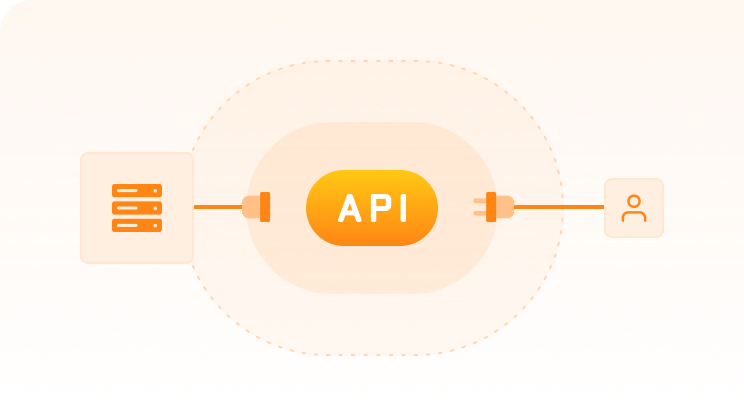
Embedding live insights in workflows without storing data
- Native integrations with 33+ HCM, HRIS, ATS and more, like Workday, SAP Successfactors, etc.
- Real-time access to critical data
- Enhanced security and data Integrity
- Efficient API performance with flexible limits
Custom Data Feed
Best for
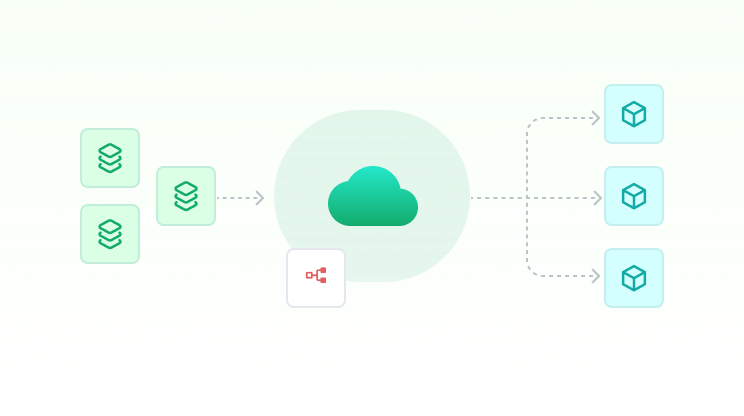
Analytics at scale & joining Draup with internal data
- Highly customizable feeds for workflow needs
- Scheduled pushes to data lakes/warehouses (S3, ADLS, BigQuery, SFTP)
- Scalable use cases with the data
- Integrates with internal data assets for co-pilots/agents
Draup Platform
Best for
Fastest time-to-value,
no build required
- Ready-to-use UI with 200+ productized use cases & workflows
- Leverage visualizations & workflows to drive seller action with no overhead
- Enterprise controls: SSO, RBAC, governance
- Integrates UI & functionality into CRM apps
Model Context Protocol
Best for
Real-time Al workflows & LLM applications
- Native integration with Claude, OpenAI, and MCP-compatible Al tools
- Zero ETL, models query live data without pipelines or reindexing
- Governed access with token-based scopes, PII masking, and audit trails
- Grounded, real-time data prevents LLMs from generating outdated or inaccurate insight


.svg)



.svg)
